Empowering Widows: Financial Independence, Grief, and the Courage to Move Forward
Losing a spouse is one of the most profound life transitions a woman can experience. Along with grief comes a sudden wave of decisions — financial, practical, emotional — often at a time when thinking clearly feels nearly impossible.
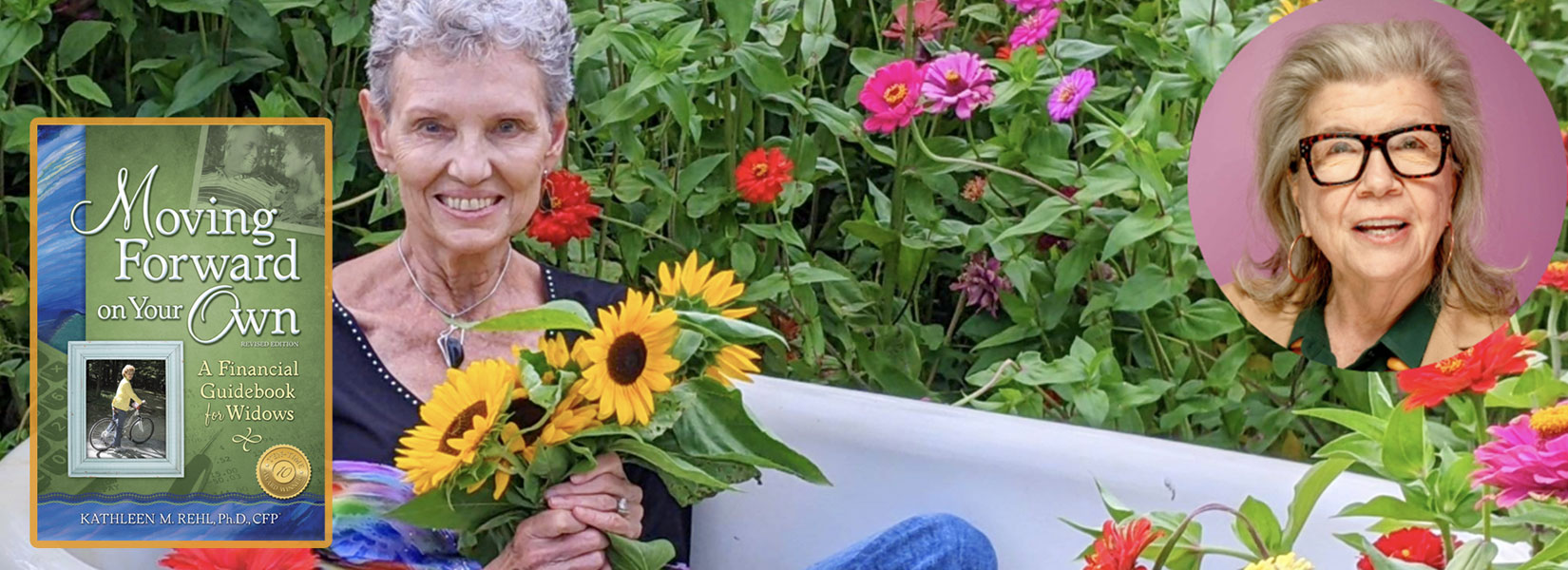
In this Lifeshiift conversation, founder Maureen Atkinson speaks with widow, former financial advisor, author, and advocate Kathleen Rehl about what truly helps widows regain confidence, protect themselves financially, and eventually step into a new chapter — at their own pace.
This is not a conversation about “bouncing back.”
It’s about grief, growth, grace — and self-trust.
Widowhood Is More Common Than We Talk About
Kathleen shares a reality many women don’t hear until they’re living it:
-
About 70% of married women will experience widowhood in their lifetime
-
The average age a woman becomes widowed is 59
-
Nearly three-quarters of widowed people are women
As Kathleen notes, “This is a prevalent situation — especially for women in midlife and later life — yet we’re rarely prepared for it.”
That lack of preparation isn’t a personal failure. It’s cultural silence.
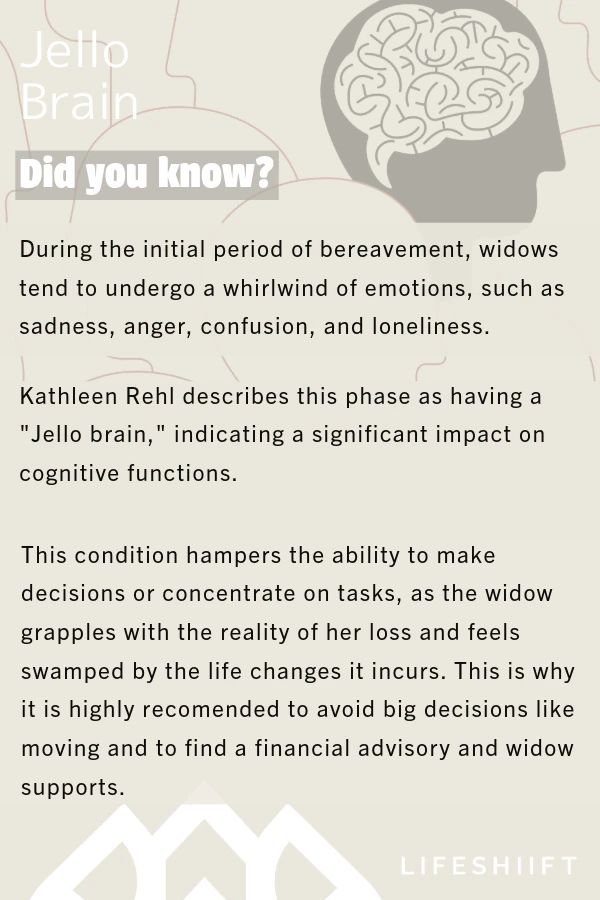
“Jello Brain” and Why Big Decisions Should Wait
One of the most important insights Kathleen offers is about the early stage of widowhood — a period many widows describe as cognitive fog.
“Early grief is what many widows call ‘Jello brain.’ Your thinking has changed. You’re not processing information the same way.”
This is why Kathleen intentionally wrote her book Moving Forward on Your Own to be short, gentle, and non-overwhelming — with art, quotes, and exercises instead of dense financial language.
She cautions widows against rushing major decisions during this time:
“There are some things that must be done right away — like the funeral. But there are other things, like repositioning investments or moving homes, that should wait.”
This advice protects widows not just from mistakes — but from predators.
Watch Out for Financial “Wolves”
Kathleen speaks candidly about a reality many widows face: financial exploitation.
“There are predators who specifically target widows — especially those who didn’t previously work with a financial advisor.”
Women in deep grief may be pressured into products or decisions they don’t fully understand. Kathleen emphasizes the importance of working with advisors who listen, explain, and respect emotional readiness.
Her research found that widows felt far more confident when working with professionals who combined financial knowledge with empathy.
The Three Stages of Widowhood: Grief, Growth, Grace
Kathleen describes widowhood not as a straight line, but as a progression many women experience over time.
1. Grief
This stage can last months — sometimes longer — and is marked by exhaustion, sadness, and vulnerability.
“This is a time for self-care, not big decisions.”
Health matters deeply here; Kathleen notes it’s not uncommon for widows’ immune systems to weaken during this period.
2. Growth
As the fog begins to lift, widows can start handling more complex tasks — finances, estate updates, and long-term planning.
This is when Kathleen introduces one of her most practical tools:
Now. Soon. Later.
“We write everything down — what needs to be done now, what can wait, and what belongs later. That way she doesn’t feel paralyzed or overwhelmed.”
This approach gives widows control without pressure.
3. Grace (or Transformation)
This stage can take years to reach — and that’s okay.
Kathleen shares a moment from her own journal:
“Five years after my husband died, I wrote: ‘I am so much more than a widow. I am an independent woman.’”
This is the stage where new passions, relationships, philanthropy, and purpose can emerge. Some widows remarry. Some choose partnership without marriage. Some remain single — fully and richly themselves.
There is no “right” outcome. Only an authentic one.

Relationships After Loss: Go Slowly, Stay Grounded
A particularly important insight from Kathleen’s research is how differently men and women approach relationships after widowhood.
“Men tend to remarry much faster. Widows often take years — if they remarry at all.”
Her advice to widows considering new relationships is simple and powerful:
Don’t rush. Protect your heart and your finances.
Kathleen co-authored research on widows who repartnered, emphasizing the importance of clarity, boundaries, and honest conversations — especially around money.
You Are Not Broken — You Are Becoming
This Lifeshiift conversation is a reminder that widowhood is not the end of a woman’s story.
It is a profound transition — one that deserves time, compassion, and support.
As Kathleen’s journey shows, life after loss can still include purpose, connection, independence, and even joy — but it unfolds on your timeline.
Watch the full video above to hear Kathleen’s wisdom in her own words, and explore more Lifeshiift conversations created for women navigating life’s most meaningful transitions.
You’re not alone.
And you don’t have to figure it all out at once.