The Power of an Awe Walk: Finding Wonder in Everyday Moments
Yesterday, on my walk to my neighbourhood coffee shop, I found myself standing in front of a patch of Queen Anne’s Lace.
To anyone passing by, I probably looked a little odd—staring at a wildflower for nearly a minute. But in that minute, my whole mood changed.
Like many of us, I’m often focused on getting somewhere. Being a mission-driven person, I can walk right past the beauty that’s all around me. But every now and then, I remember to slow down.
I stop, take a deep breath, and look closely.
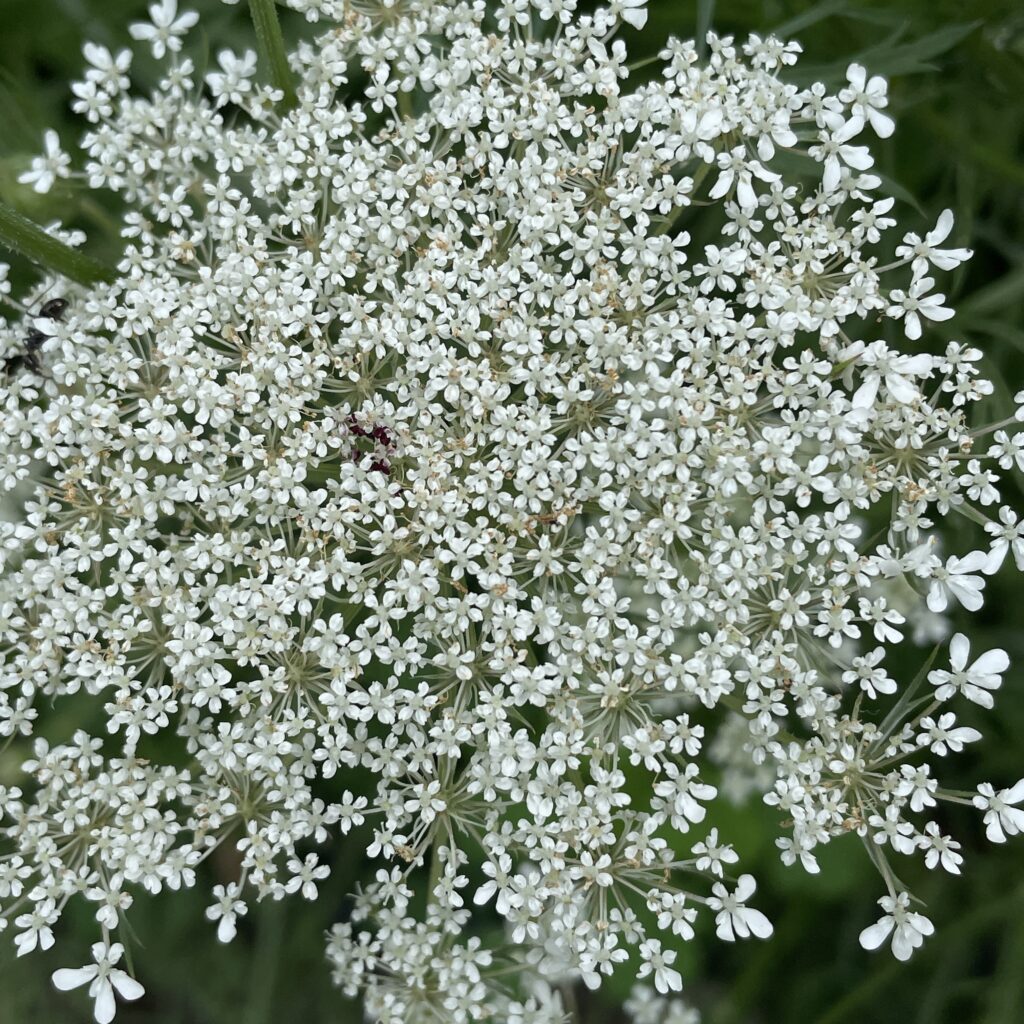
What appears to be a single flower is actually made up of hundreds of tiny blossoms woven together. Sometimes I spot a tiny insect making its way across them. It feels like discovering a small miracle hiding in plain sight.
Then I widen my gaze. The whole flower really does resemble delicate lace. I gently touch it, noticing its delicate texture, and breathe in the scent of the flower mixed with the fragrance of the surrounding garden.
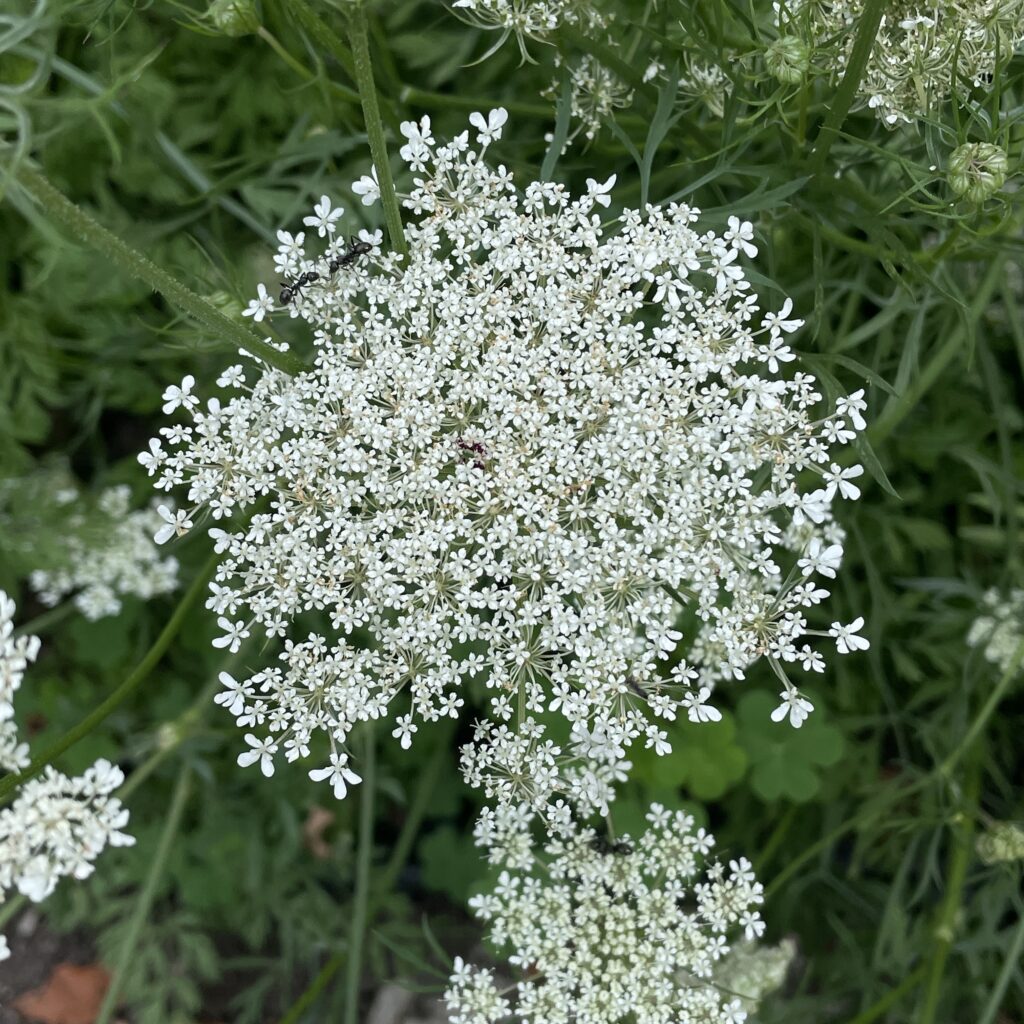
Finally, I step back and take in the whole scene—the Queen Anne’s Lace, the neighbouring plants, the trees overhead, and the warm summer air.
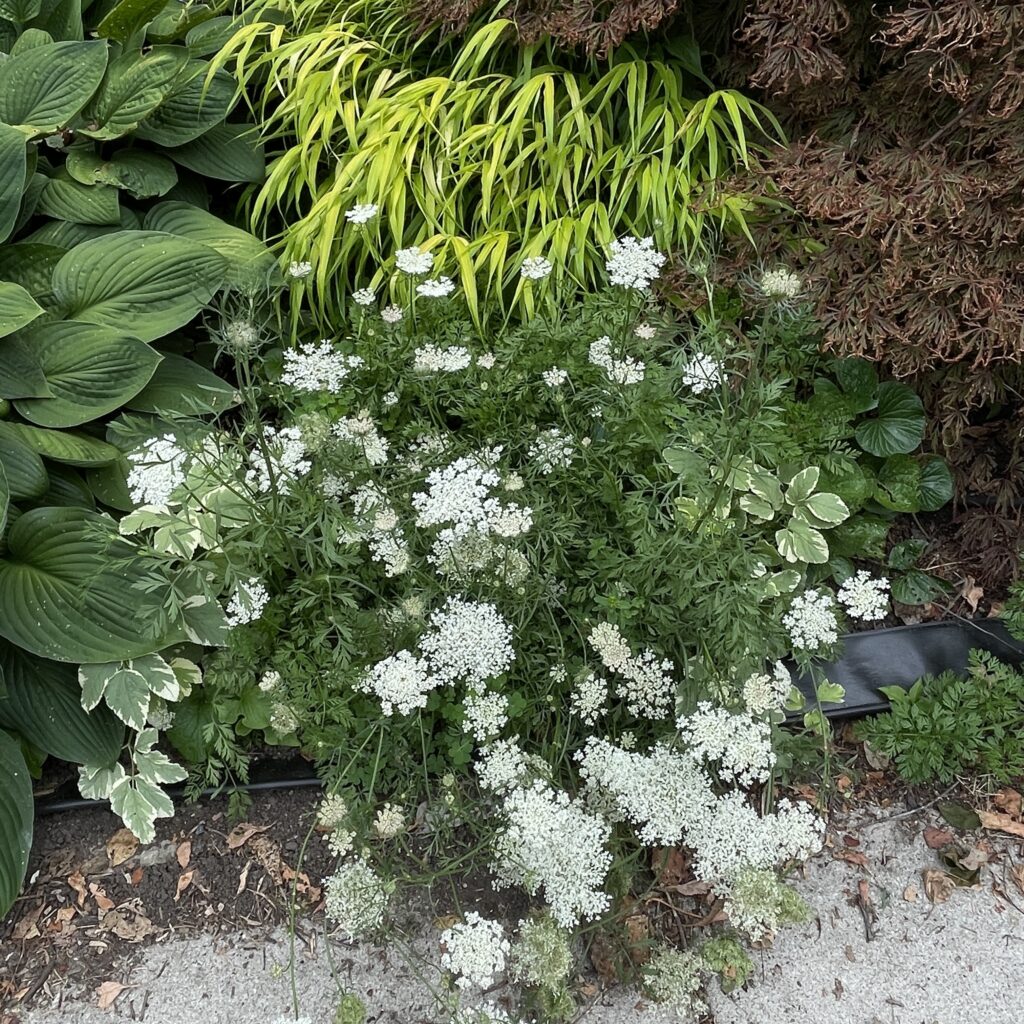
It’s just an ordinary neighbourhood garden.
And yet, for that brief moment, it doesn’t feel ordinary at all.
Nothing around me has changed, but somehow I have. I feel calmer, more present, and filled with gratitude.
Only recently did I discover there’s a name for this experience.
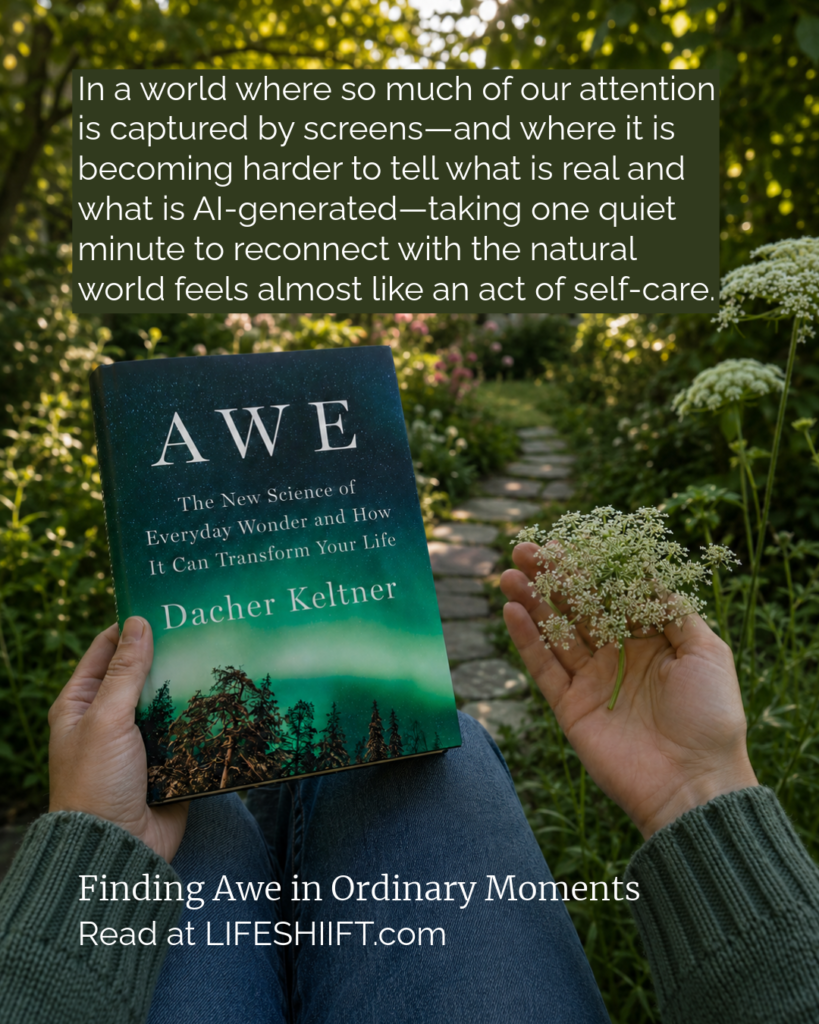
Dr. Dacher Keltner, author of Awe: The New Science of Everyday Wonder and How It Can Transform Your Life, calls it an “awe walk.” The beauty of the practice is that you don’t need a mountain vista or a trip to somewhere spectacular. You simply need to pay attention.
It begins with a slow, deep breath to settle your mind. Then choose one thing that catches your attention—a flower, the bark of an old tree, a bird, a cloud, or a sunset.
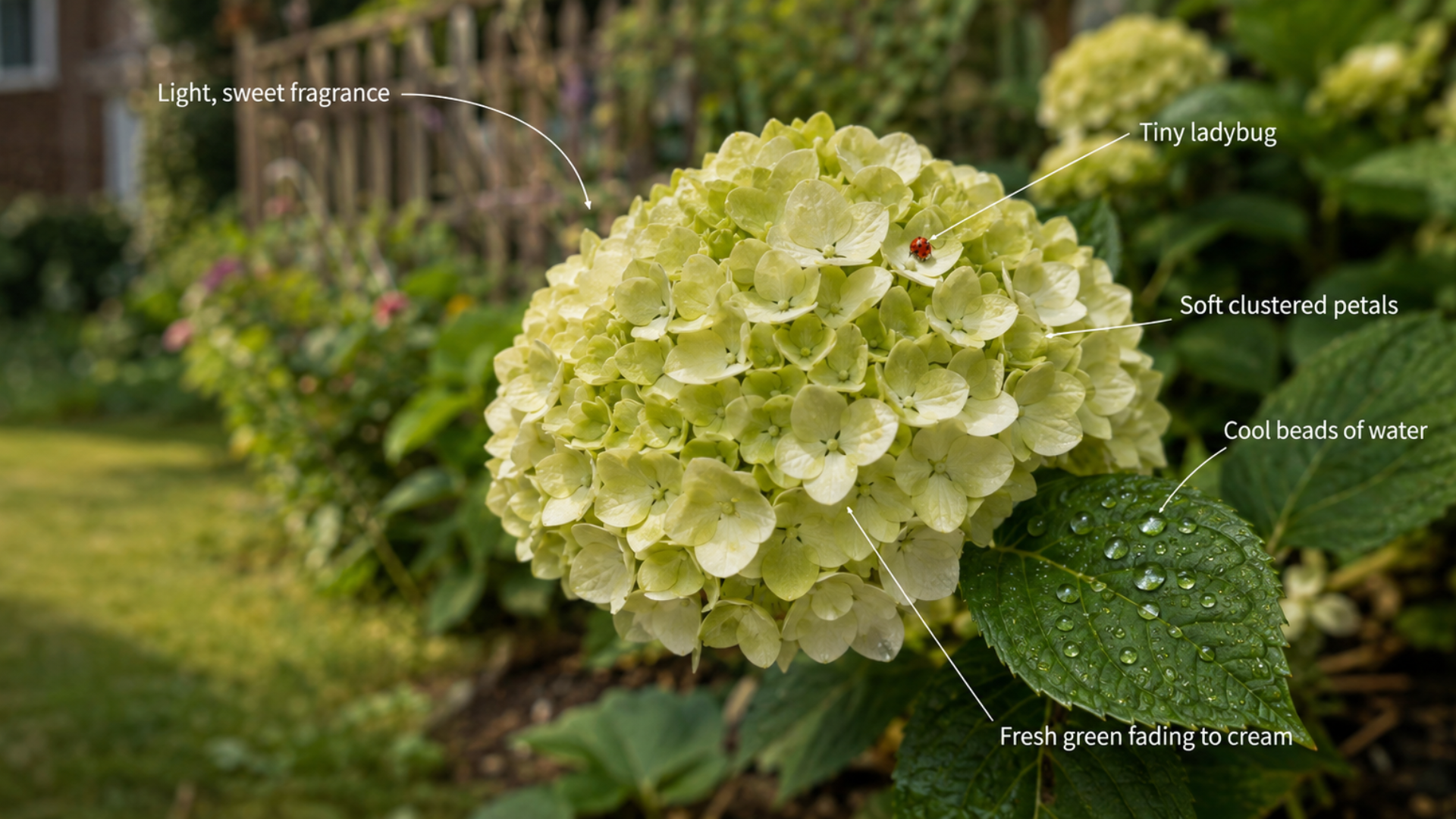
Look more closely than you normally would. Notice the colours, the textures, and the tiny details. Engage your other senses. What do you hear? What do you smell? What does the air feel like against your skin?
Then slowly widen your view and notice how that one small thing fits into the larger landscape.
That’s it.
Research suggests that moments of awe may help reduce stress and support emotional well-being. There are no expensive memberships, no special equipment, and no complicated routines. Just a willingness to notice the world around us.
Perhaps that’s one of the gifts of getting older. We begin to realize that happiness isn’t always found in doing more or having more. Sometimes it’s found in seeing more.
In a world where so much of our attention is captured by screens—and where it is becoming harder to tell what is real and what is AI-generated—taking one quiet minute to reconnect with the natural world feels almost like an act of self-care.
The wonder is there every day.
We simply have to remember to stop long enough to see it.