

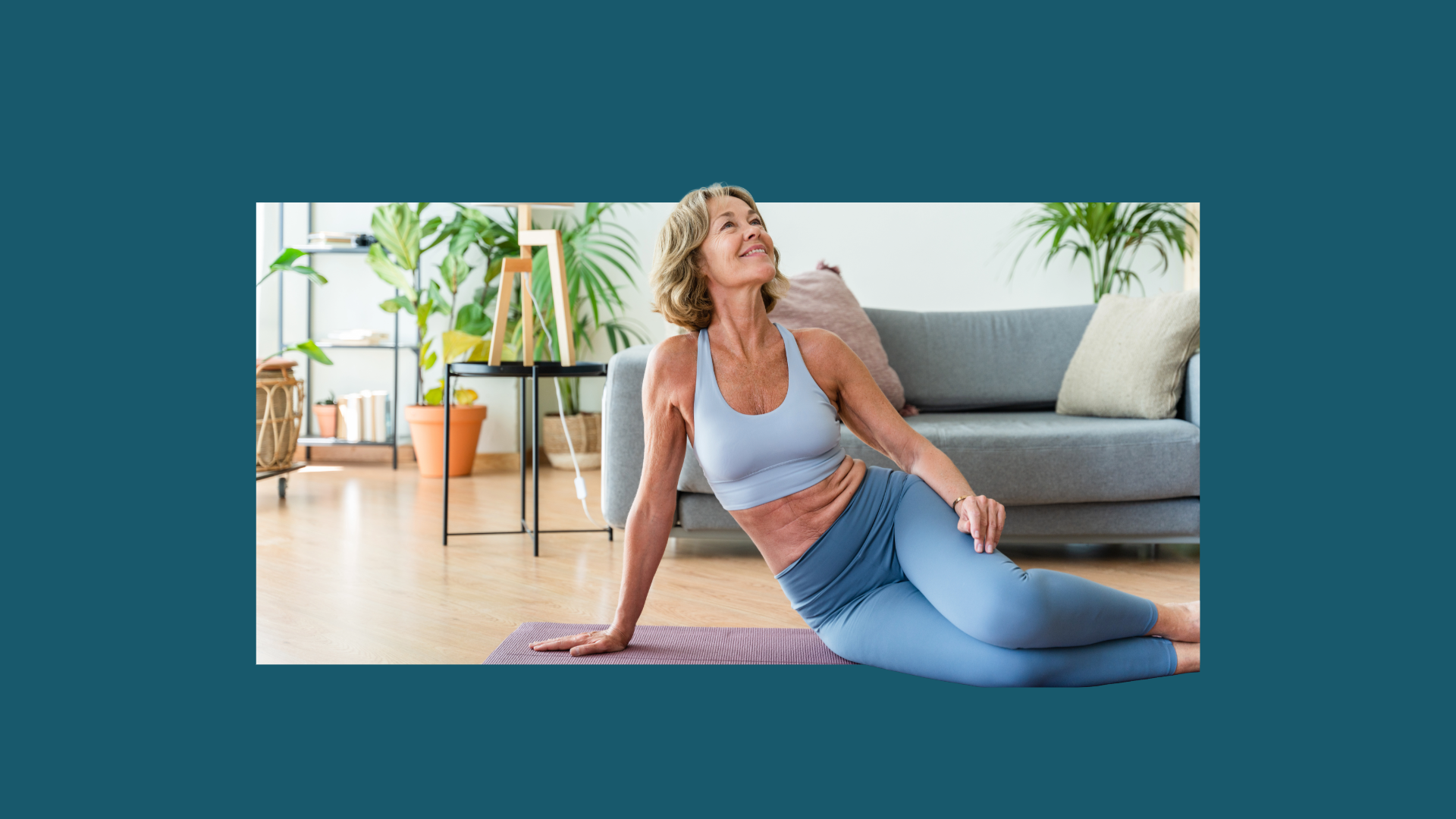
How do we find enjoyment in our daily workouts? What movement sessions are best? Is higher-intensity movement better than more gentle modalities?
These questions are often asked in classes. In truth, higher-intensity movement and gentler modalities can work side by side. There is no right or wrong way to move your body, and you can choose from a variety of movement modalities.
Positive movement can feel hard and a little challenging some days, or it can be lower intensity on other days. Either way, you should walk away from a movement session feeling happy with your choice rather than feeling like you had to perform beyond your limits.
Intuitiveness and Mindfulness
But how do you determine the right type of movement? Put simply, tune into your body and ask it what it needs today.
Intuitiveness and mindfulness can help you choose a movement practice you enjoy. Each day, week, month, and year can be different because our needs change. This is a learning process, so be gentle with yourself.
Here are some questions to ask when deciding on your daily movement practice:
- What does my body need today?
- How rested am I?
- How hydrated am I?
- How is my anxiety or stress level?
- Am I well nourished?
- Is my body stiff or sore?
- How is my mood overall?
These questions can help determine whether you are ready for that 10 km hike or whether your body would benefit more from 15 minutes of yoga or gentle stretching on the mat.
The workout you choose should match how you feel today.

But Shouldn’t I Be Getting Sweaty After Every Workout?
Many people think that a workout means sweating 100% of the time. Sometimes that is absolutely true, but at other times, it is best to take a gentler approach.
Full-throttle, high-impact workouts every day can be counterproductive, and it is worth considering whether this approach is sustainable over the long term.
If you are new to a movement practice, starting slowly with a gentler approach can be more appropriate than jumping straight into a higher-intensity program. Gradually working toward higher-intensity movement over time may also make the transition easier for your body.
What If I Am Not Sure Which Modality to Choose?
The five-minute rule can be useful when determining whether a chosen workout is a good match for that day. Set a timer for the first five minutes. If you feel worse after five minutes than when you started, stop and choose a gentler approach.
Here are some other things to consider:
Warm Up Well
Take your time to do some mobility work before beginning your chosen movement practice. This can help prepare your muscles and joints for activity and may help reduce the likelihood of injury.
Be Sure to Stretch Afterwards
Stretching is often overlooked and can be a useful part of a daily movement routine. Gentle stretching after a movement session can help you transition out of your workout and loosen muscles that feel fatigued or tight.
Hydrate Well
Replenishing the fluids you lose through activity is important for maintaining normal body function and supporting comfortable movement.
Eat to Nourish Your Body
Filling your body with nutritious foods, including fruits and vegetables, protein, and carbohydrates, can help support your energy and recovery and keep you feeling ready for your next movement session.
Each Person Has Different Needs — Consider Yours!
There is no magic formula for determining exactly how much challenging or gentle movement you need. The goal is to discover what works for your body.
Tune in and listen to what your body needs. Whether it is a high-intensity workout, a gentler practice, or a mixture of different types of movement is up to you. There is no right or wrong way — only what works for you.
Learn to trust yourself and go with the flow.
Editorial note: This article is not intended to provide medical advice. Always seek appropriate medical care before starting any exercise program.
Let’s Have a Conversation
- What movement modality do you practice most often?
- Why is that your choice? Have you tried something else?
- Do you choose a different type of movement depending on your mood or physical state?
- How do you determine the best type of exercise for the day?
Originally published on SixtyandMe on September 25, 2025
Rachelle Ballard-Clayton is a qualified health, movement & wellbeing coach whose mission is to help people understand their unique bodies and move well throughout life. Her Meant to Move online program is free for women who are new or returning to exercise.





Leave a Reply