Have you ever spent hours worrying about something that hasn’t happened yet, replayed an unkind remark in your mind, or become frustrated because life hasn’t gone according to plan?
I certainly have. Recently, I’ve been exploring a philosophy that offers some surprisingly practical advice on dealing with these situations: Stoicism.
One of the great things about this stage of life is having more time to explore intellectual interests that may have been pushed aside during busier years. Stoicism is one of those areas I’ve become curious about.
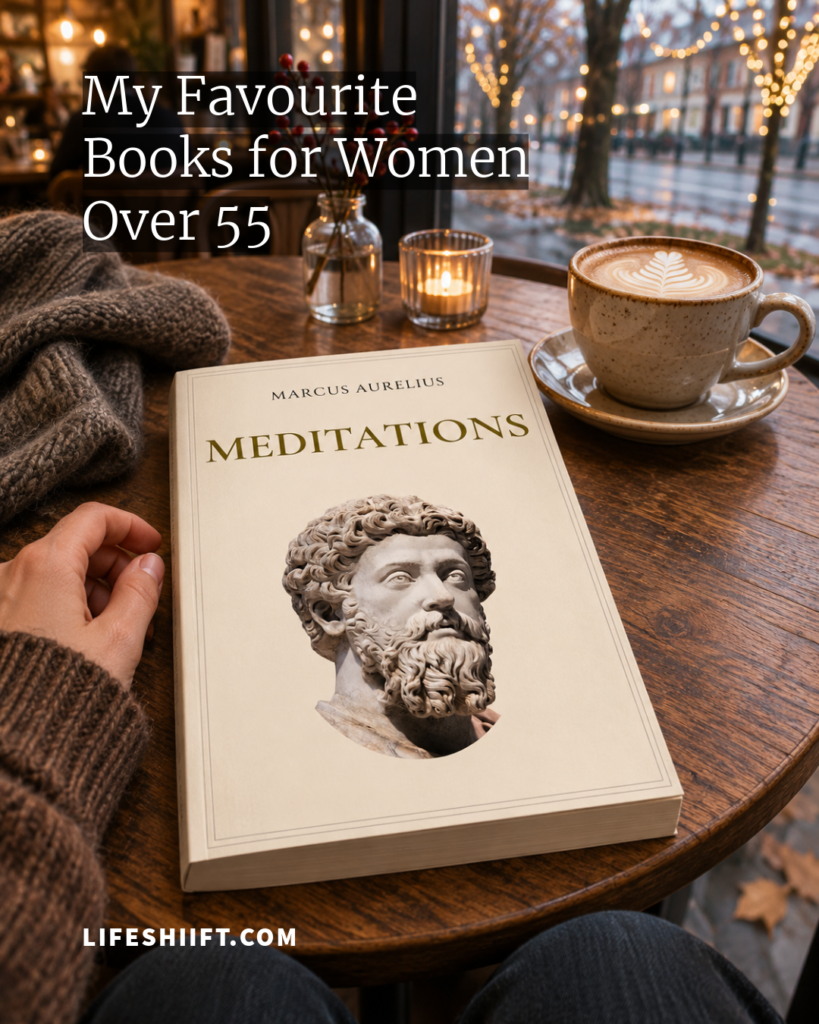
Stoicism is an ancient Greek philosophy, not a religion. Developed more than 2,000 years ago, it offers a way of thinking about life that is remarkably relevant today. I’ve been reading Marcus Aurelius’s Meditations, along with the writings of other Stoic philosophers such as Seneca.
An important underlying belief of Stoicism is that change is a natural and important part of nature. Marcus Aurelius says that change is “like a river of creation – time is a violent stream”. Much of Stoic thought is directed towards accommodating that change.
What strikes me is how practical their advice is. They recognized that we cannot control everything that happens to us, but we can influence how we respond.
Here are five ideas that particularly resonate with me.
1. Don’t suffer before you have to
Seneca put it beautifully:
“He who suffers before it is necessary, suffers more than is necessary.”
How often do we worry about things that might happen but haven’t? We imagine the worst possible outcome and sometimes create an entire crisis in our minds before anything has gone wrong.
Planning ahead is sensible, but there is a difference between being prepared and allowing worry to take over. Much of our suffering comes not from what is happening, but from what we imagine might happen. Why not save our energy for dealing with things when, and if, they actually occur?
2. Events are neutral. We give them meaning.
Marcus Aurelius wrote:
“All is as thinking makes it so.”
We don’t always have control over what happens to us, but we do have influence over how we interpret it.
An unexpected change, a lost opportunity or a disappointing experience can leave us feeling frustrated. But could we look at it differently? Might it be an opportunity to explore something new or take a different direction?
This doesn’t mean pretending difficult experiences aren’t painful. It means recognizing that our perspective can influence what happens next.
3. Don’t let other people’s behaviour define you
Marcus Aurelius wrote:
“The best revenge is not to be like your enemy.”
We cannot control what other people say or do, but we can control whether we allow their behaviour to change who we are.
When faced with an insult or criticism, the Stoics suggest asking ourselves: Is there some truth in what was said? If so, perhaps there is something to learn. If it is unfounded, why give it so much power?
We don’t have to win every argument or respond to every slight. Sometimes the best response is to move on without compromising the person we want to be.
4. Concentrate on the present
Marcus Aurelius reminds us:
“Each of us lives only in the present moment, this brief instant. The rest is either the past or the future.”
How much time do we spend looking backwards or worrying about what lies ahead? We revisit past decisions or anticipate future problems, sometimes missing what is happening right in front of us.
This seems particularly relevant as we get older. We can spend too much time thinking about how things used to be or worrying about what aging will bring.
We can learn from the past and plan for the future, but we can only live and take action today.
5. The obstacle is the way
Perhaps my favourite Stoic idea is that obstacles can become opportunities to find a different way forward.
Marcus Aurelius expressed it this way in Meditations:
“The impediment to action advances action. What stands in the way becomes the way.”
Life rarely unfolds exactly as we expect. Plans change, opportunities disappear and unexpected challenges arise. Sometimes we have to abandon our original approach and find another way forward.
This is particularly relevant in later life, when retirement, widowhood or other transitions can alter the direction we thought our lives would take.
Rather than seeing these changes only as obstacles, we can ask: What is possible now? What new direction might this open up?
Sometimes the path we didn’t plan turns out to be an interesting one.
A Philosophy for Living Well
What I find appealing about Stoicism is that it isn’t about suppressing our emotions or pretending everything is wonderful. It is about approaching life with greater perspective, resilience and intention knowing that everything will always be changing.
We have all accumulated plenty of experiences, both good and bad. We know that not everything goes according to plan. But we still have the opportunity to decide how we want to approach the years ahead.
I’m still exploring Stoicism, and I suspect there is much more to learn. But one thought I will take away is this:
Don’t spend your life worrying about what might happen, regretting what has happened, or resisting what you cannot change. Focus on what you can do today.
That seems like a pretty good philosophy for living well at any age