Last November I received a call from the niece of my friend Catherine telling me she had been found dead at home.
The Catherine I met almost thirty years ago was an aggressive, independent career woman with a wicked sense of humour. She was great fun to be with—full of energy, opinions, and adventure.
But the Catherine who died in November was a shell of that person. Over the years she had slowly lost interest in travel, family gatherings, and social activities. She could sit for hours watching television.
Many of us know a Catherine in our lives—someone who seemed to shrink as they got older, losing the spark that once made them so alive.
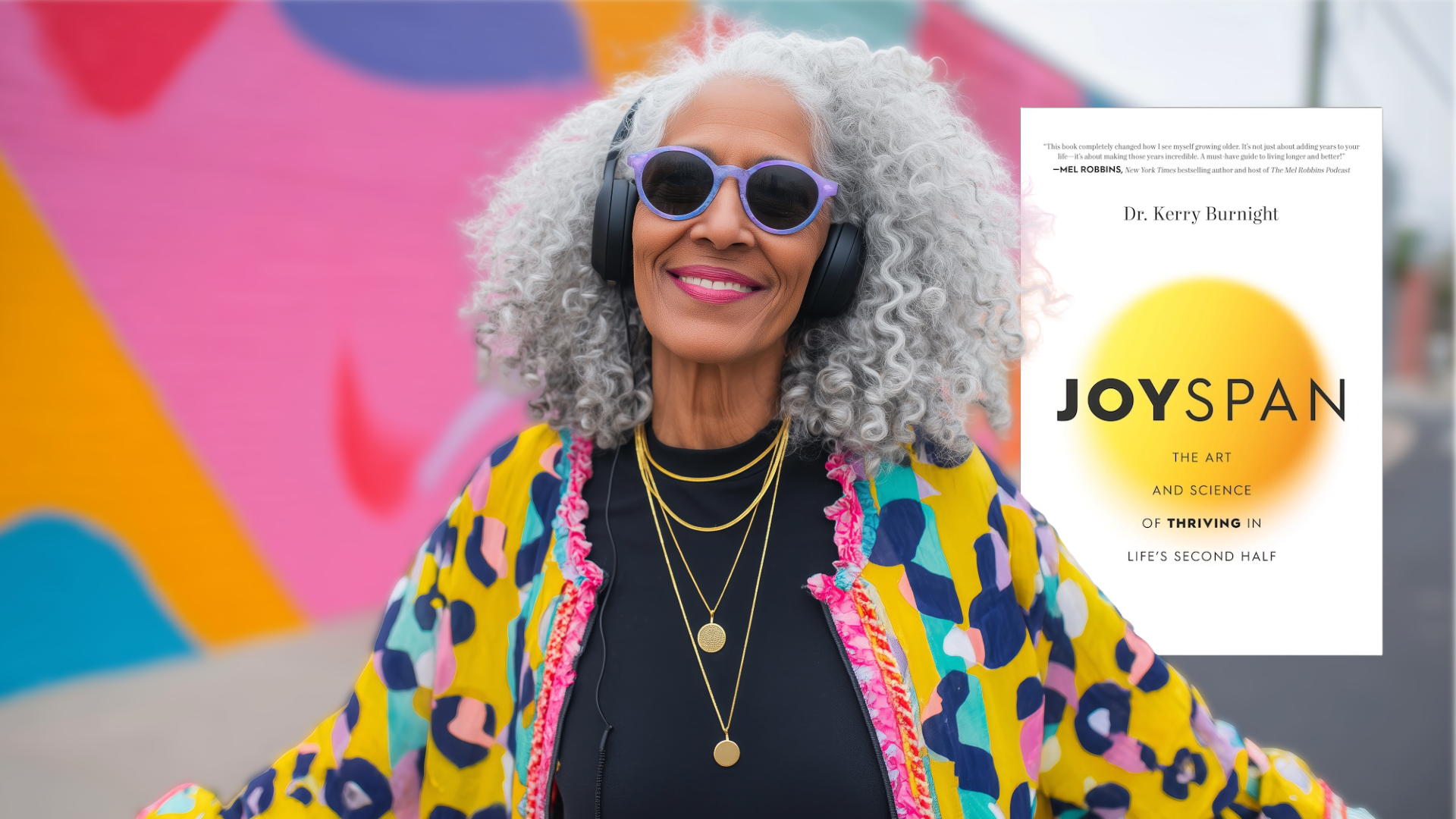
This is the issue that Kerry Burnight, a practicing gerontologist, explores in her book Joyspan: The Art and Science of Thriving in Life’s Second Half.
The real question isn’t simply how we live longer. It’s how we make sure that a longer life doesn’t become a lonely or joyless one.
What Is a Joyspan?
The core idea of Joyspan is simple but powerful: if we want a life worth living, we need to think beyond simply staying healthy.
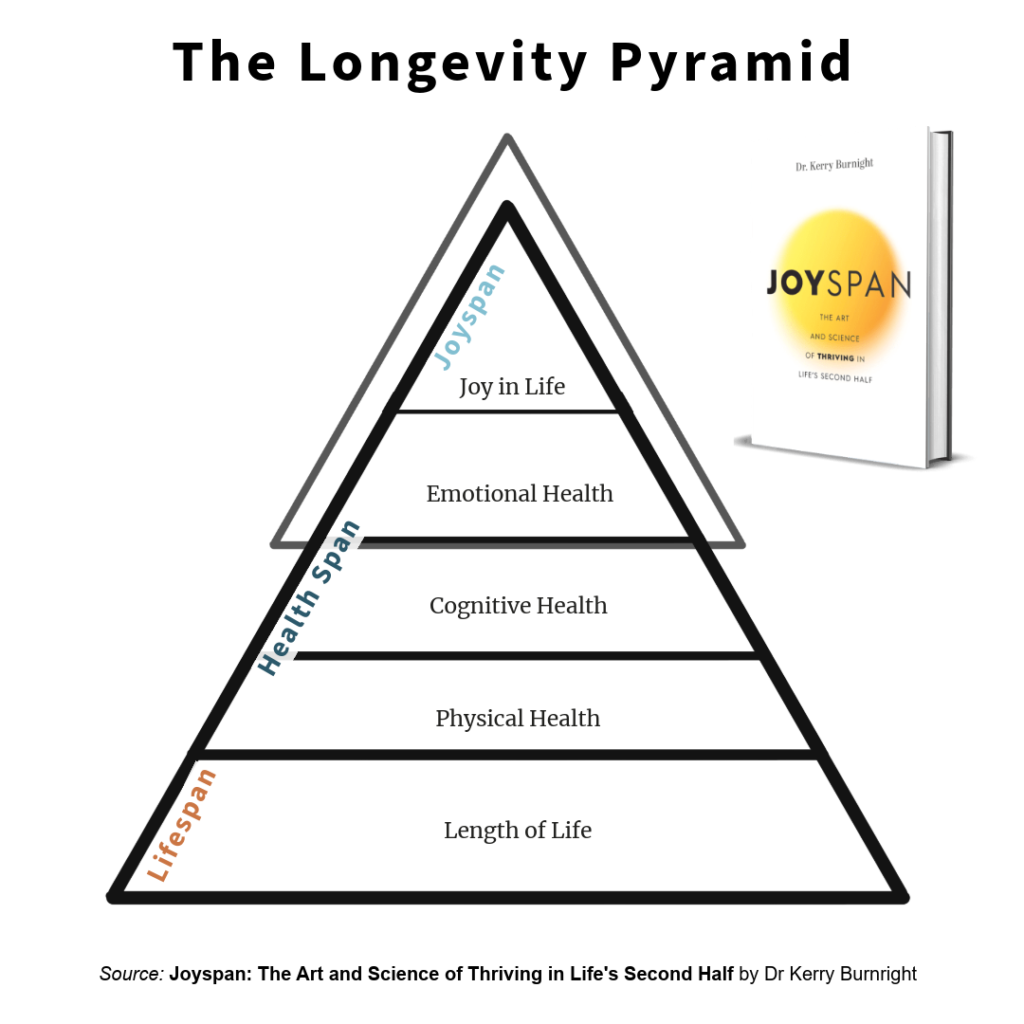
Burnight describes three different ways to think about aging:
- Lifespan – how long we live
- Healthspan – how long we remain physically healthy
- Joyspan – how long we experience purpose, connection, curiosity, and joy
From her work with older adults, she is clear about one thing: joy is not accidental—it can be cultivated.
She is also sharply critical of the enormous “anti-aging” industry that spends billions convincing us that getting older is something to fear or fight.
While there is growing pushback against that message, it still takes intention to see aging differently—to recognize the opportunities that come with this stage of life.
Both this book and Lifeshiift share the same mission: to challenge the narrative of decline and instead design a meaningful third act.
Why Joyspan Matters After 55
This stage of life may actually offer more freedom than any other to shape how we live.
But that freedom requires intention.
This is often the time when we retire, children leave home, and we begin to lose loved ones—friends, parents, sometimes even spouses.
These transitions can bring grief and uncertainty.
But they can also open the door to reinvention as we begin asking a powerful question:
Who am I now?
Joy in later life rarely comes from drifting.
It comes from living intentionally.
The Ingredients of a Joyspan
In Joyspan, Burnight suggests that joy in later life doesn’t simply happen—it can be actively cultivated.
She describes four ways we can expand our joy as we age:
- Grow with Joy
- Connect to Joy
- Adapt with Joy
- Give with Joy
For women in the Lifeshiift community, these ideas feel especially relevant as we design our third act.
Grow with Joy
Growth does not stop at a certain birthday. In fact, it can become even more exciting later in life.
When we stay curious and keep learning, we keep our minds vibrant and our sense of possibility alive.
Growth might look like:
- learning a new language
- exploring creative pursuits such as painting or writing
- traveling somewhere new
- taking courses or attending lectures that spark your curiosity
Many women discover that this stage of life finally gives them the freedom to pursue interests that were once pushed aside by careers, family responsibilities, and busy schedules.
Growth fuels joy because it reminds us that we are still becoming.
Connect to Joy
Joy is deeply social.
Our relationships—with friends, family, and community—are one of the strongest predictors of happiness as we age.
Connection might mean:
- deepening friendships
- spending meaningful time with family
- joining groups that share your interests
- building new communities
For many women, retirement or life transitions can shrink social circles. That’s why creating intentional connections becomes so important.
This is exactly the spirit behind the Lifeshiift community—a place where women connect, share experiences, and inspire one another in this next chapter.
Adapt with Joy
Life inevitably brings change—some welcome, some not.
The ability to adapt with curiosity and openness may be one of the most powerful ways to protect our joy.
Adapting with joy might mean:
- reimagining life after retirement
- adjusting to an empty nest
- navigating loss or unexpected transitions
- exploring new identities and possibilities
Rather than seeing change as something that diminishes us, we can see it as an invitation to reinvent ourselves.
I love the expression:
“This is not happening to me. It is happening for me.”
In many ways, the third act of life is an ongoing process of creative adaptation.
Give with Joy
One of the great paradoxes of happiness is that giving often brings as much joy as receiving.
Many women find profound meaning when they share their wisdom, time, and experience with others.
Giving might include:
- mentoring younger people
- volunteering for causes you care about
- supporting friends or family through life transitions
- sharing your skills or passions with others
This stage of life holds an extraordinary opportunity: decades of experience that can enrich the lives of others.
Despite society’s frequent misrepresentation of aging, older adults contribute enormously to the world around them.
And when we give in ways that feel authentic and meaningful, we often discover that our own joy grows in the process.
Expanding Your Own Joyspan
One of the strengths of this book is that it doesn’t just describe the concept of joyspan—it offers practical suggestions for how to expand it.
Readers are encouraged to reflect on their own lives and intentionally cultivate the habits and relationships that support joy.
In other words, joyspan is something we can actively grow.
The Gift of the Third Act
Many Lifeshiifters have been given the extraordinary gift of a longer life.
We can choose to believe society’s messages of inevitable decline and loss.
Or we can choose something very different.
We can actively shape these years—filling them with purpose, contribution, connection, and joy.
We cannot control how long we live.
But we can influence how fully we live.That is why this book resonates so strongly with the mission of Lifeshiift—not simply to live longer, but to live fully engaged in the years that matter most.