

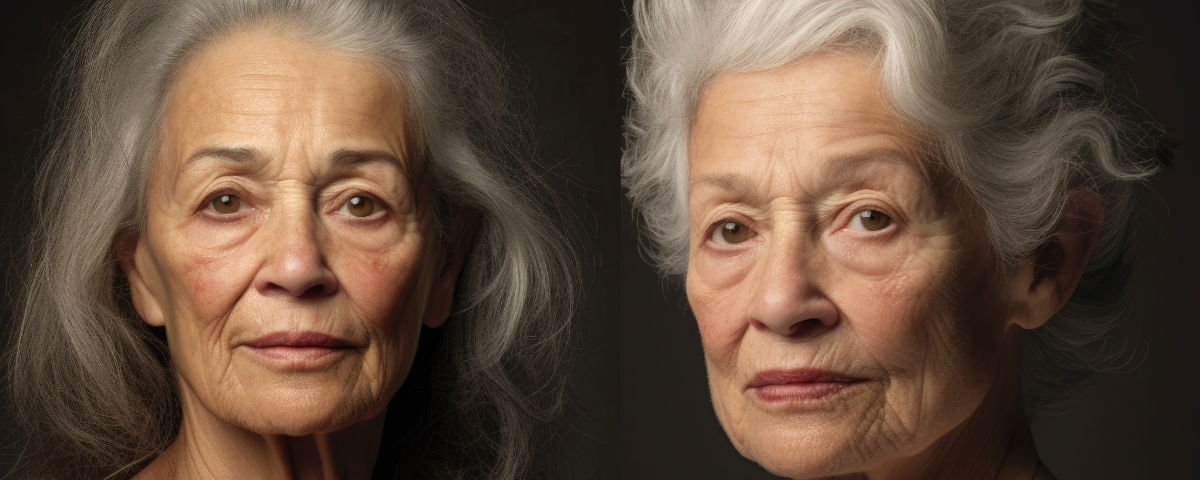
Ageism in Advertising: The Real Truth About Older Women
We have all seen commercials like this before. There are three women in an empty restaurant, confused and asking, “Where is the bacon?”
I wanted to shout, “Where’s the representation?” Seriously! Is that how they think older women should look and behave? As an older woman, I was angry. This felt like another offensive commercial.
Age Representation
It’s no secret that ageism remains a widely discussed form of discrimination. I’ve seen women labeled as stupid or incapable far too often. This ad is another example of how unrealistic advertising can be and how disconnected some portrayals are from the lives of real older women.
Age is also rarely part of broader conversations about inclusion and workforce diversity. This can be influenced by assumptions that older people inevitably lose cognitive abilities, even though aging does not affect everyone in the same way. Many people continue to contribute meaningfully well into their eighties and nineties. Consider Jane Goodall or Frank Gehry. Both have continued their work well beyond traditional retirement ages. Ageism is no longer an abstraction.
Older adults are also a growing part of the population. In 2020, people aged 65 and over represented 20% or more of the population in many European countries, while older adults made up nearly 17% of the U.S. population. As life expectancy increases in many parts of the world, the number of people living into their eighties, nineties, and beyond is also growing.
Why Is No One Paying Attention?
With a growing population of potential customers and workers, why has there been so little action to recognize the value of these resources? Some of the issues driving ageist attitudes include:
- Lack of awareness about longevity. Many people now live for decades after reaching traditional retirement age. That means there can be a substantial amount of life, work, learning, and contribution ahead.
- Assumptions about physical ability. Aging can bring changes in physical ability, but those changes vary widely from person to person. Many older adults remain active and engaged well into later life.
- Assumptions about mental acuity. Dementia and Alzheimer’s disease are more common among older adults, but these conditions should not be treated as synonymous with normal aging. The idea that everyone’s mental ability simply declines with age is also too simplistic. In Strength to Strength, Arthur Brooks discusses the difference between fluid and crystallized intelligence. Some forms of fast, fluid thinking can change with age, while accumulated knowledge, experience, and judgment can become increasingly valuable. Our mental abilities can change without simply becoming “worse.”
Changing Ageist Attitudes
If logic and demographic trends suggest that ageism is outdated thinking, why does it still persist? Are older people sometimes guilty of reinforcing the stereotypes used to limit them? How many times have you heard someone attribute forgetfulness or physical aches and pains entirely to “getting old”? Younger people forget things and experience aches, too.
If there is going to be a movement to challenge ageism, it can also start with older people refusing to accept the stereotypes placed on them.
There are signs of changing attitudes. Jane Fonda, for example, has spoken publicly about aging and the need for older women to be represented with dignity and respect. Through her work in entertainment and advocacy, she has helped bring more attention to stories about older women’s lives.
There is also new messaging on social media and in books challenging conventional ideas about how a person’s value to society changes with age. Strength to Strength by Arthur Brooks and ROAR into the second half of your life by Michael Clinton explore ways people can continue contributing, learning, and finding purpose as they age.

With increasing longevity and more people potentially living to 100 and beyond, the Stanford Center on Longevity’s New Map of Life suggests thinking about life as a more flexible, lifelong journey rather than a series of rigid stages.
Rather than confining learning to our early years, we can continue learning throughout our lives. Our career years also do not have to be limited to a traditional “working age” of 16 to 64. Work, learning, and periods of transition can happen at different points throughout life.
In a world where older women are respected and represented in all their diversity, the Wendy’s commercial might look very different. Instead of relying on a stereotype, it could feature women arriving from a walking or cycling group, asking for something healthy while talking about their latest project to help their community or the planet.
When we see more realistic and diverse portrayals of older women in advertising, we will know that attitudes about aging are changing.
Check out this blog, New Image for Older Women, for more conversation about this topic.
Let’s Have a Conversation: What are you doing that challenges ageist attitudes, both your own and those of others?





Leave a Reply